
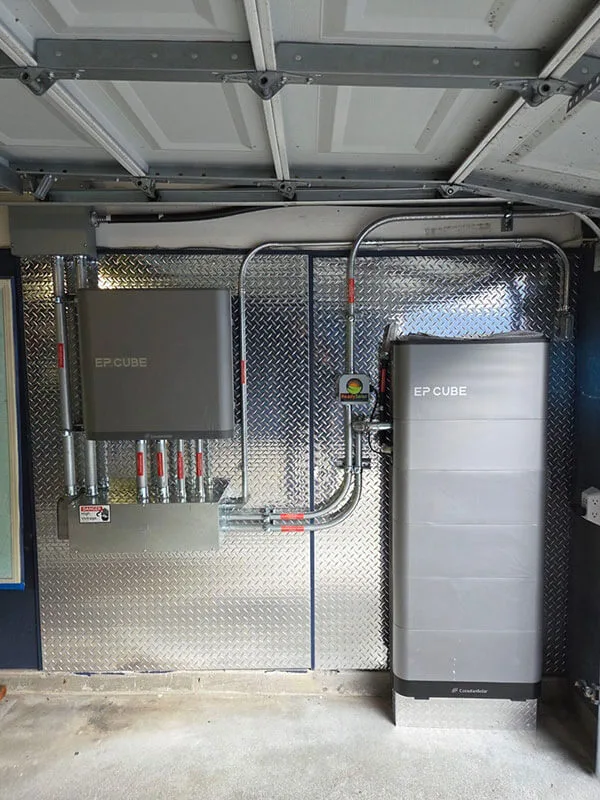
What problem are you trying to solve?
A battery can store solar energy for later use. With a suitable backup design, it can also support selected circuits during an outage. Those are related but different goals, and the equipment and reserve settings should reflect your priority.
If backup is the main reason, decide which loads matter and what interruption you want to plan for. If self-consumption is the priority, compare daytime solar production with evening electricity use and your current consumption rate.
Compare costs with realistic operating assumptions
Under BC Hydro’s current self-generation rate, exported energy receives monetary credits at 10 cents per kWh. Using stored energy later can reduce purchases, but battery losses, equipment cost, warranty conditions and the applicable consumption rate affect the economics.
Storage does not create more solar energy and does not guarantee a zero bill. Ask how the proposal accounts for battery degradation, useful capacity, charging behaviour and any backup reserve.
Check compatibility and rebate eligibility
Battery integration needs a review of the existing inverter, electrical service, transfer arrangement, equipment location and permit requirements. Capacity and power ratings must suit the selected loads.
Qualifying standard residential battery storage installed with solar may be eligible for up to $1,500 through BC Hydro. Equipment, property, account, installer and application conditions apply. Confirm the current program before committing to an installation.