
Understand what the inverter does
Solar panels produce DC electricity. Inverters convert it to AC electricity used by the home and grid. Microinverter layouts carry out that conversion at or near the modules rather than through one central string inverter.
Depending on the equipment, a microinverter can serve more than one module. Do not assume every product is a one-panel unit. The model and electrical design determine its configuration and capacity.
Monitoring and roof flexibility are useful
Module-level operation and monitoring can be useful on roofs with several orientations or uneven shading. They can help distinguish individual module performance from the production of the array as a whole.
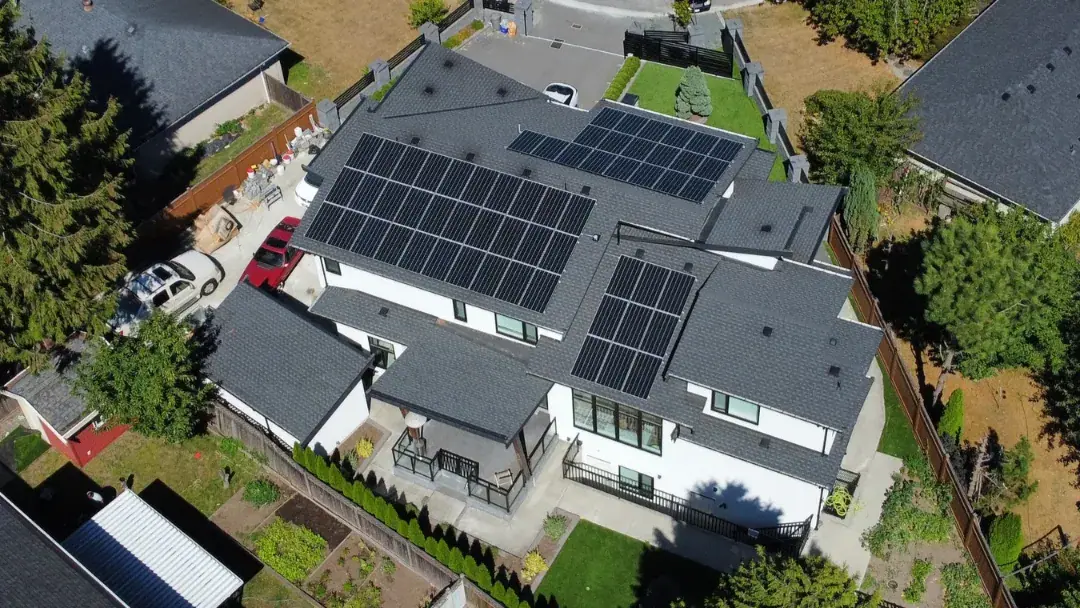
No inverter removes the effect of shade or guarantees that every roof is productive. Compare the proposed equipment with a roof-specific yield estimate, panel specifications, safety requirements and access for future service.
Plan storage and support from the start
If battery backup is a goal, ask how the selected inverter architecture integrates with storage and outage operation. Compatibility must be checked for the specific battery and control system, whether storage is installed now or added later.
Compare warranty terms, monitoring requirements, service arrangements and any registration conditions in writing. Our gallery includes APsystems award-recognised projects as well as other installed equipment, so you can see that the design is not a one-brand template.