
Match generation with the business load
Review bills and operating hours to understand daytime consumption. Manufacturing, offices, retail and other properties have different load profiles. Electricity used on site and electricity exported to the grid have different values under the current self-generation rate.
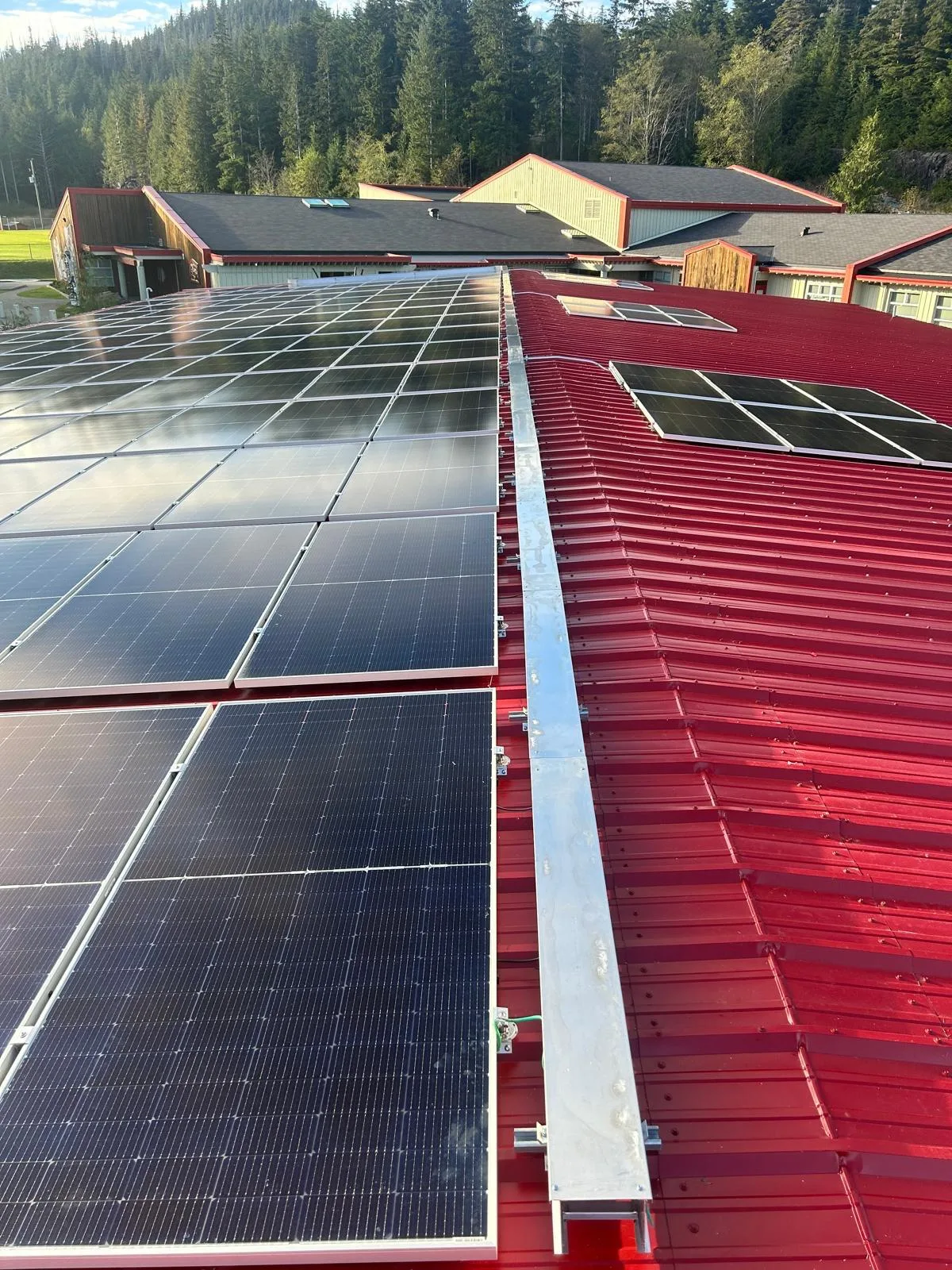
Roof condition, structure, drainage, access, shading and available installation area shape the capacity that can be proposed. Account for roof replacement plans and any lease or ownership limitations before treating the roof as available.
Check the meter and approval pathway
Strata and multi-unit buildings need particular attention to account ownership, meter arrangement and authority to approve the project. A system serving one meter should not be assumed to offset every occupant’s electricity bill.
Electrical design, utility interconnection and project-specific reviews affect timing and scope. Storage or demand response can be separate options, but neither should be added on the assumption that an incentive automatically applies.
Treat incentives as conditional
Qualifying commercial or multi-unit residential solar may be eligible for up to $10,000 through the BC Hydro offer Ready Solar highlights. Property, equipment, application, installer and funding requirements apply.
Tax-credit eligibility is separate and should be reviewed with a qualified tax adviser. Ask for a proposal that explains the technical scope and savings assumptions before incentives, rather than presenting a rebate or payback as guaranteed.